

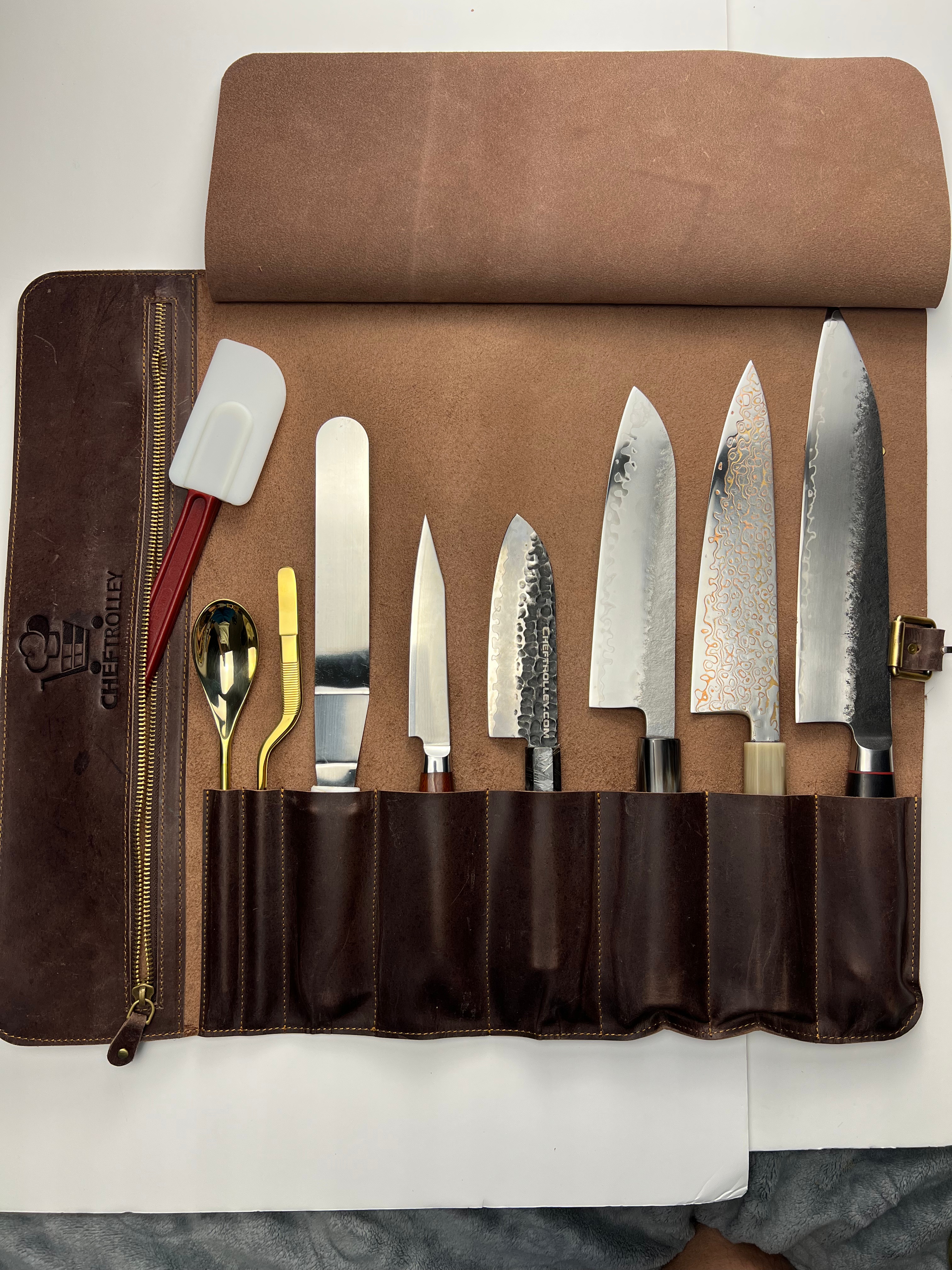
Japanese knives are known worldwide for their precision, craftsmanship, and performance. Whether you’re a professional chef or a home cook, investing in the right knife can completely transform your cooking experience.
But with so many types available, choosing the right one can feel overwhelming.
This guide breaks it down simply.
Why Japanese Knives Are Different
Unlike Western knives, Japanese knives are typically:
- Thinner and lighter
- Sharper with a finer edge
- Designed for precision cutting
- Made using traditional craftsmanship
They are built for control, accuracy, and clean cuts — not force.

Common Types of Japanese Knives
1. Gyuto (Chef’s Knife)
The most versatile knife.
Best for:
- Meat
- Vegetables
- General use
If you’re starting out, this is your go-to knife.

2. Santoku
A shorter, lighter all-purpose knife.
Best for:
- Slicing
- Dicing
- Chopping
Ideal for home cooks who want something easy to handle.

3. Nakiri
A straight-edged vegetable knife.
Best for:
- Vegetables
- Clean, straight cuts
Perfect for plant-based cooking or prep-heavy kitchens.

4. Petty Knife
A small utility knife.
Best for:
- Peeling
- Precision work
- Small ingredients
How to Choose the Right Knife
Ask yourself:
- What do you cook most often?
- Do you prefer a lighter or heavier knife?
- Do you need versatility or specialisation?
If unsure, start with a Gyuto or Santoku, then expand your collection.
Why Quality Matters
A high-quality knife isn’t just about sharpness. It affects:
- Speed in the kitchen
- Precision in cuts
- Comfort during long prep sessions
- Overall cooking experience
Investing in a well-crafted knife saves time and improves results.
Care & Maintenance Basics
To keep your knife performing at its best:
- Hand wash only (no dishwasher)
- Dry immediately after use
- Use a proper cutting board (wood or rubber)
- Store safely in a knife bag or holder
- Sharpen regularly
Final Thoughts
Japanese knives are more than just tools — they are an extension of the chef’s hand.
Choosing the right knife and taking care of it properly can elevate your cooking from routine to refined.
Whether you’re building your first toolkit or upgrading your setup, investing in the right knife is always worth it.

Leave a Reply